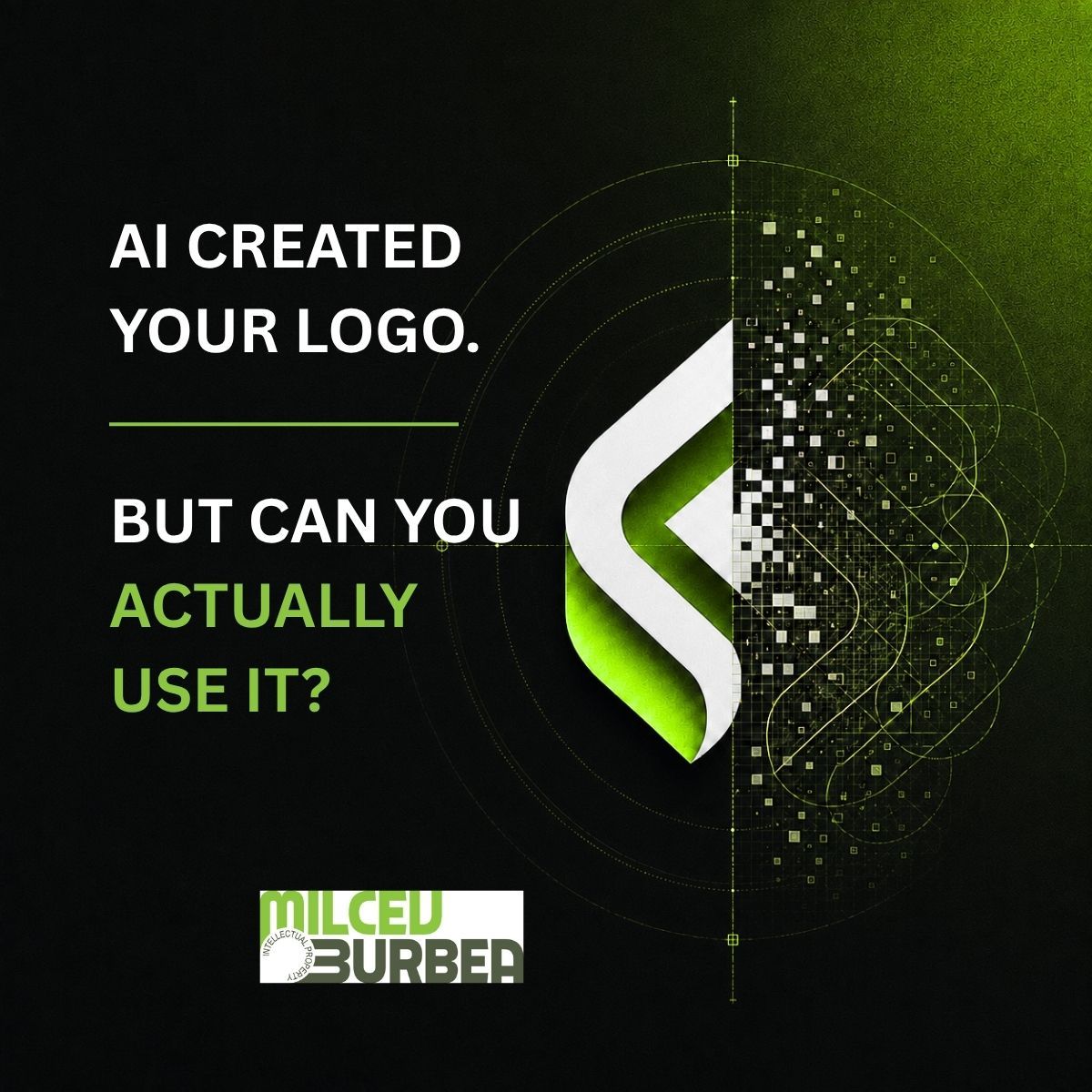
Generative AI tools can now produce logos, product names, packaging, illustrations, and entire advertising campaigns in… seconds. For businesses, the appeal is obvious and we absolutely understand it: it’s fast, accessible, well done, and far less expensive than a traditional creative process.
However, creating something quickly is not the same as creating something safely.
Before using AI-generated material commercially, businesses should consider several questions:
- Does the output resemble an existing trade mark, design, or copyrighted work?
- Has it reproduced recognisable elements from someone else’s brand identity?
- Do the AI platform’s terms permit the intended commercial use?
- Can the resulting material be protected as intellectual property, particularly when there has been limited human creative input?
There is no single answer that applies to every AI-generated asset. The legal position will depend on what was created, how it was produced, the level of human involvement, the terms of the platform used, and the rights already held by third parties.
At a minimum, businesses should keep records of the prompts, drafts, edits, and human contributions involved in the creative process. Trademark and design searches should also be carried out before a new identity is launched or substantial money is invested in it.
AI can really support the creative process, but what it cannot do is conduct legal clearance or guarantee exclusivity. Finding out that a new logo conflicts with an existing right after the website, packaging, campaign, and promotional materials have already been launched can be a very expensive lesson.
If your business is using AI-generated branding or creative material, contact our team via [email protected] – we can help you assess whether it is safe to use, identify potential conflicts, and determine the most appropriate route for protecting it.